How To: Organize Pet Records for Vets, Boarding, and Emergencies

Every pet owner has had the moment of digging through emails for a vaccination record the night before a boarding drop-off. Pet paperwork tends to be scattered across the vet's office, an adoption agency, and whatever email folder you swore you'd organize eventually. Here is a simpler system.
1. Start with vaccination records. These are the documents you will be asked for most often, for boarding, grooming, and daycare alike. Keep the most recent copy easy to find.
2. Add adoption or purchase paperwork. Microchip registration details in particular, including the chip number and which registry it is enrolled with, since this matters if a pet ever goes missing.
3. Include your vet's contact information, clearly labeled. Not buried in your phone contacts under a nickname only you would recognize.
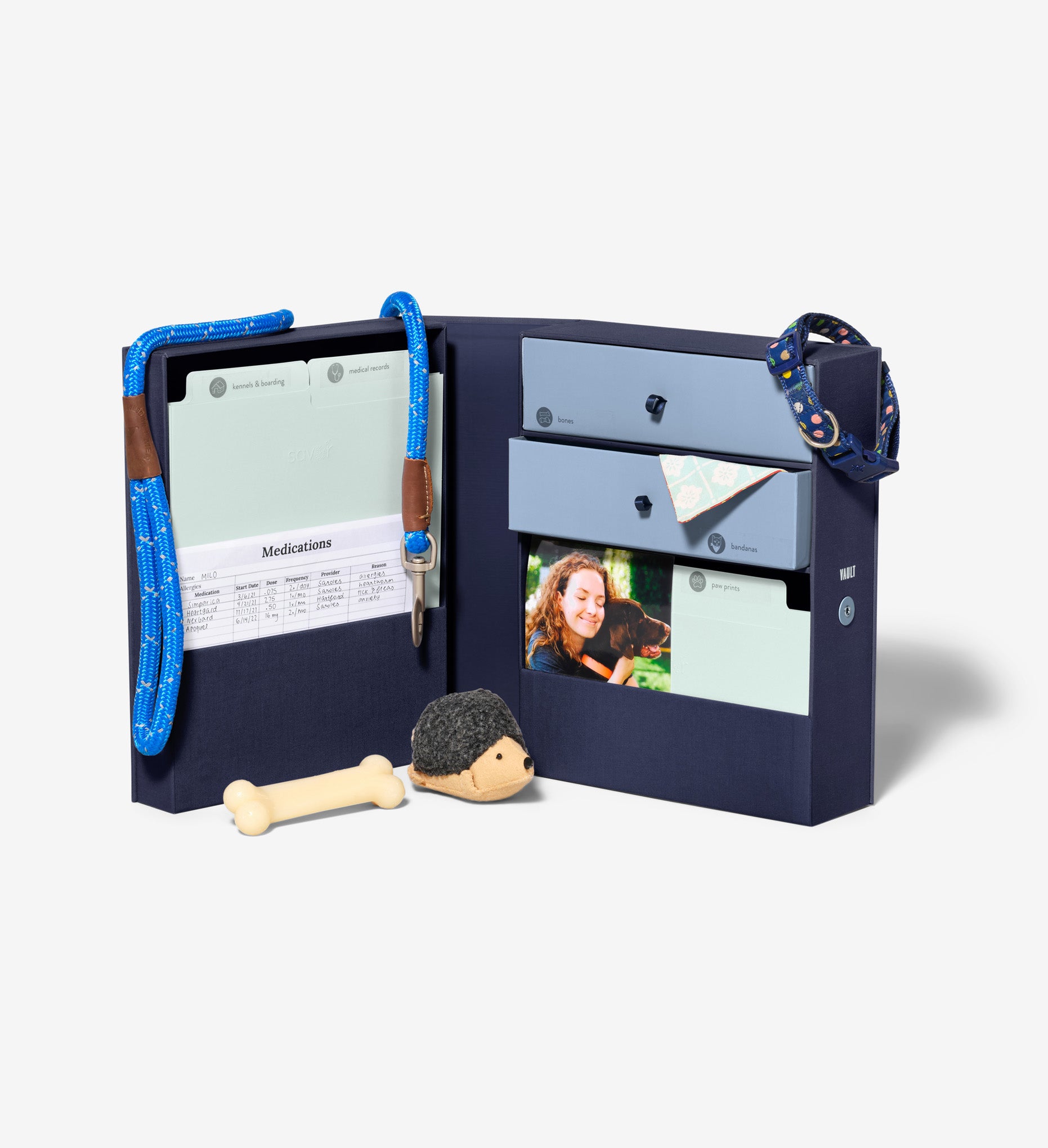
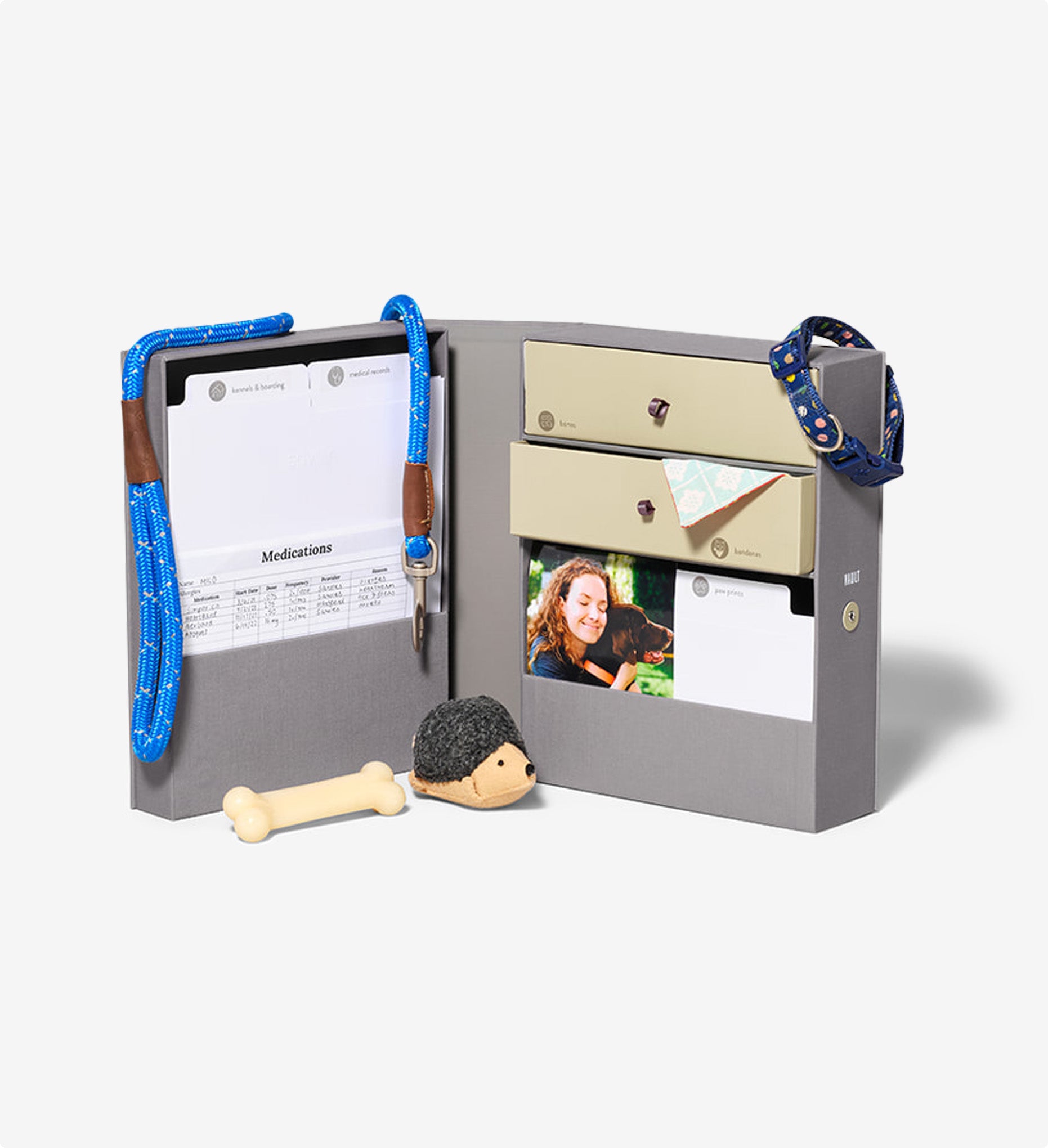
4. Note any medications and dosages. Especially important for pets with ongoing conditions, so a pet sitter or boarding facility has accurate information without needing to reach you.
5. Keep a recent photo on hand. Useful both for boarding intake forms and, in a worst case, for a lost pet flyer.
6. Write down feeding and behavior notes. Allergies, favorite treats, anxiety triggers, anything a sitter or boarder would benefit from knowing that is not on an official form.
7. Keep it all in one place, not spread across apps. A single physical or digital folder beats trying to remember which app has the vaccination record versus the microchip info.
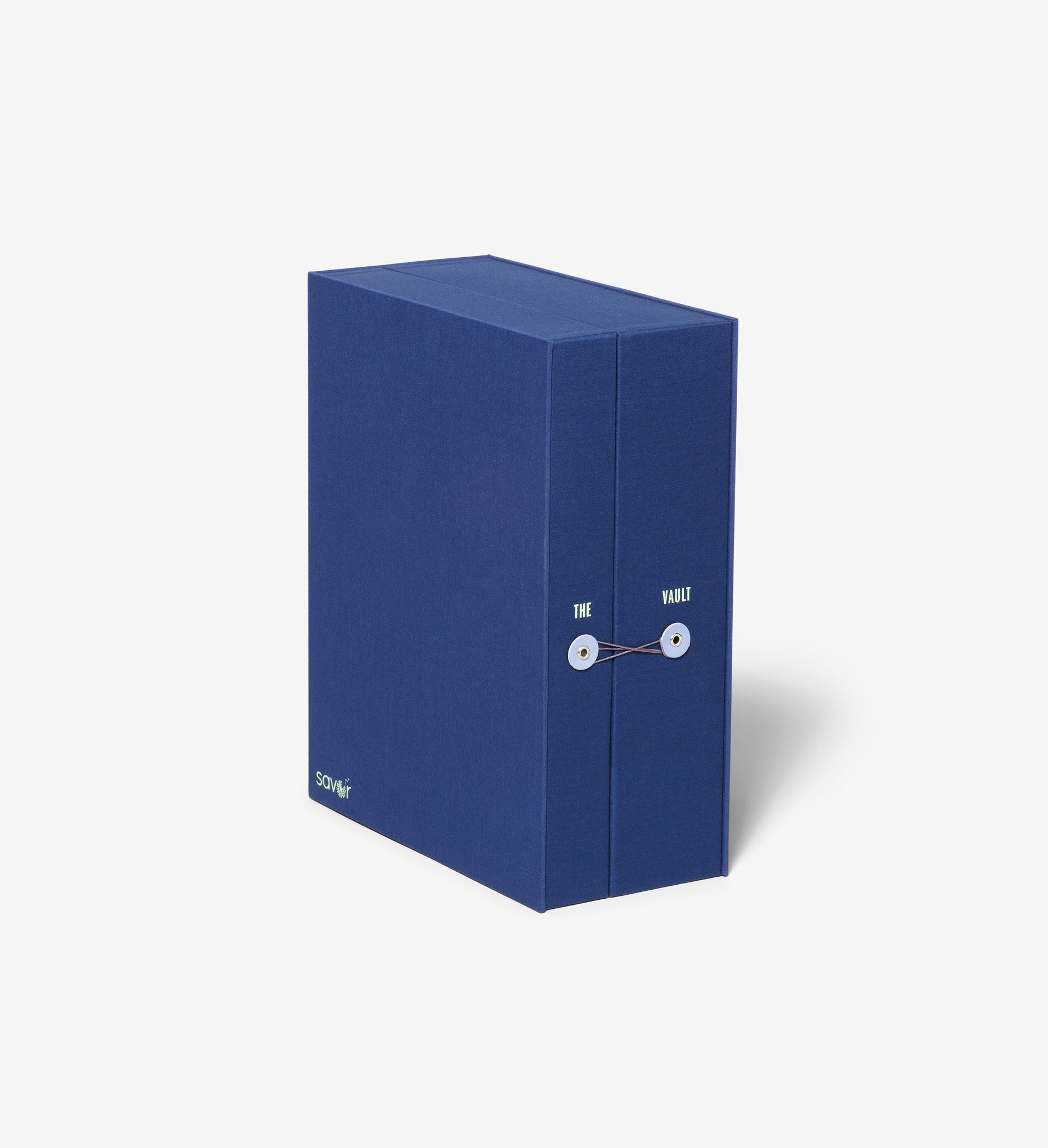
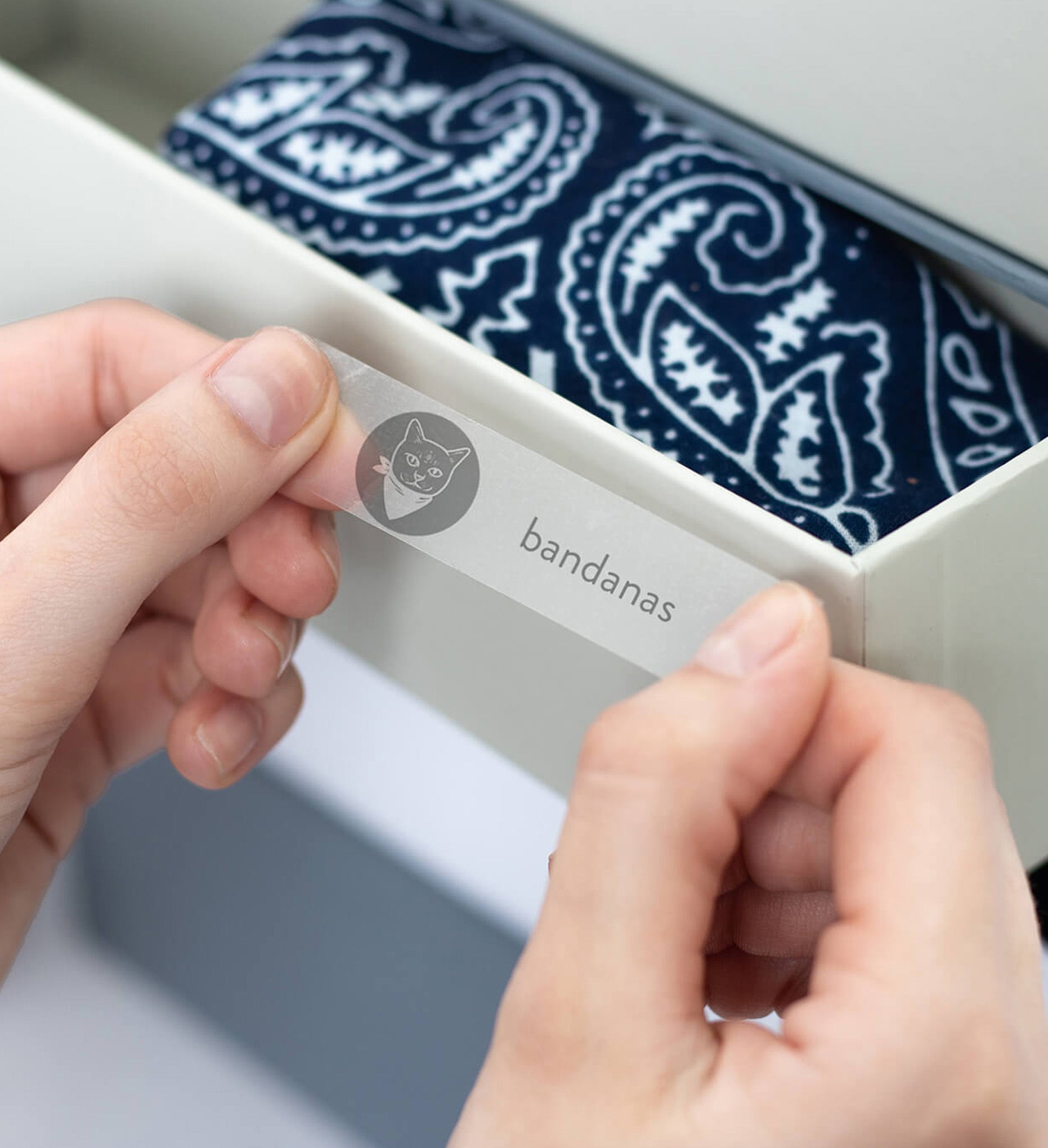
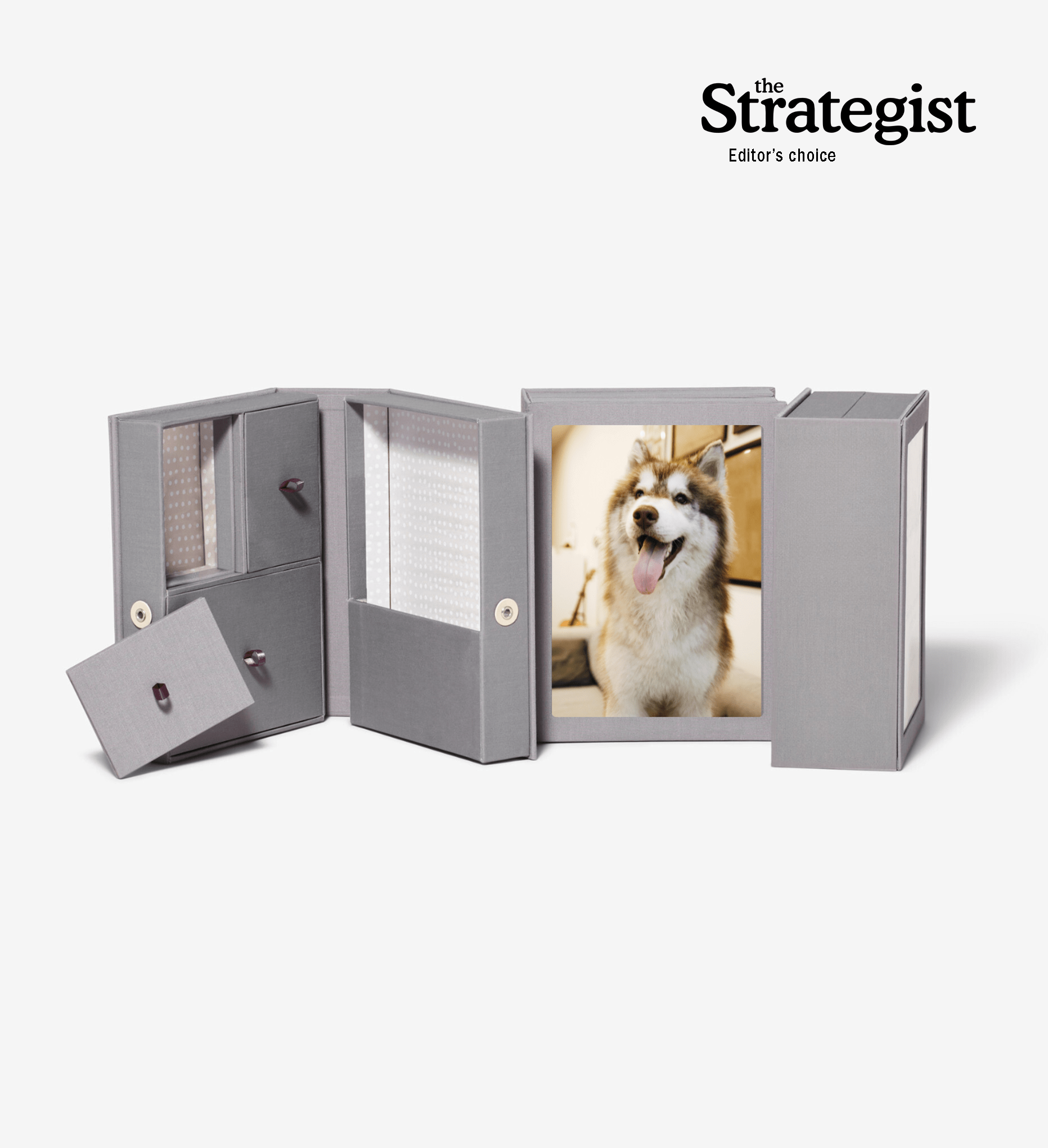
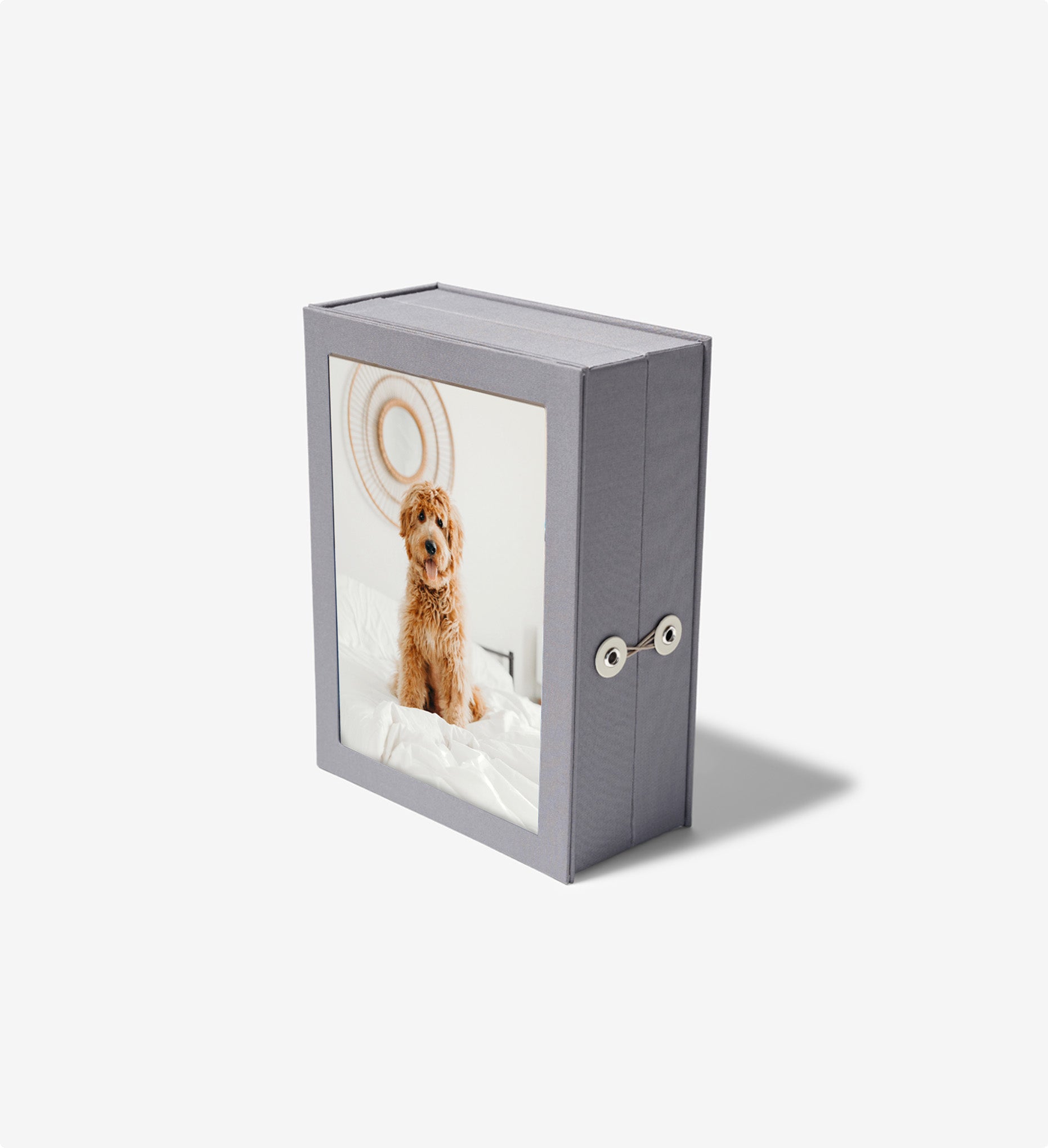
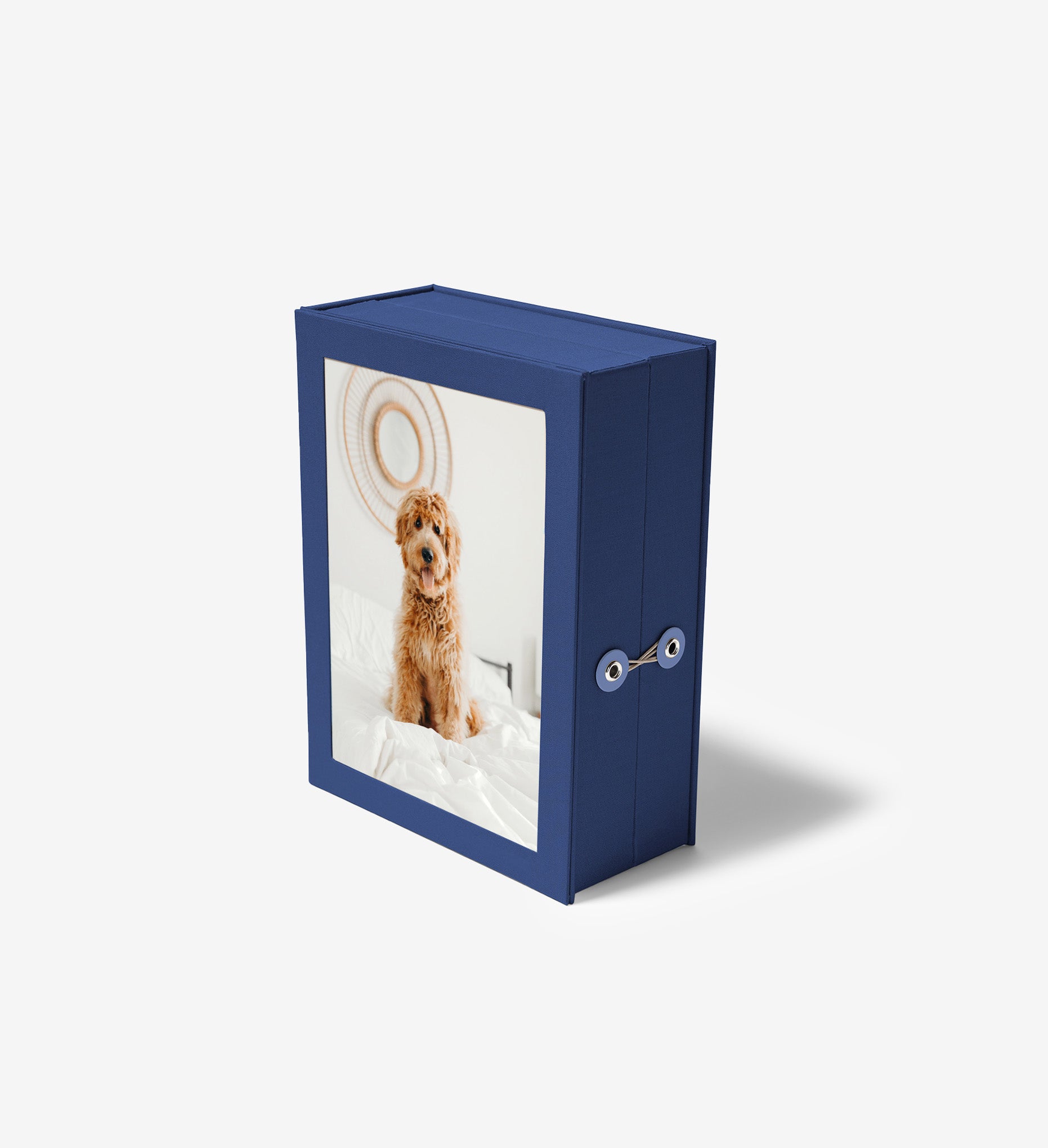
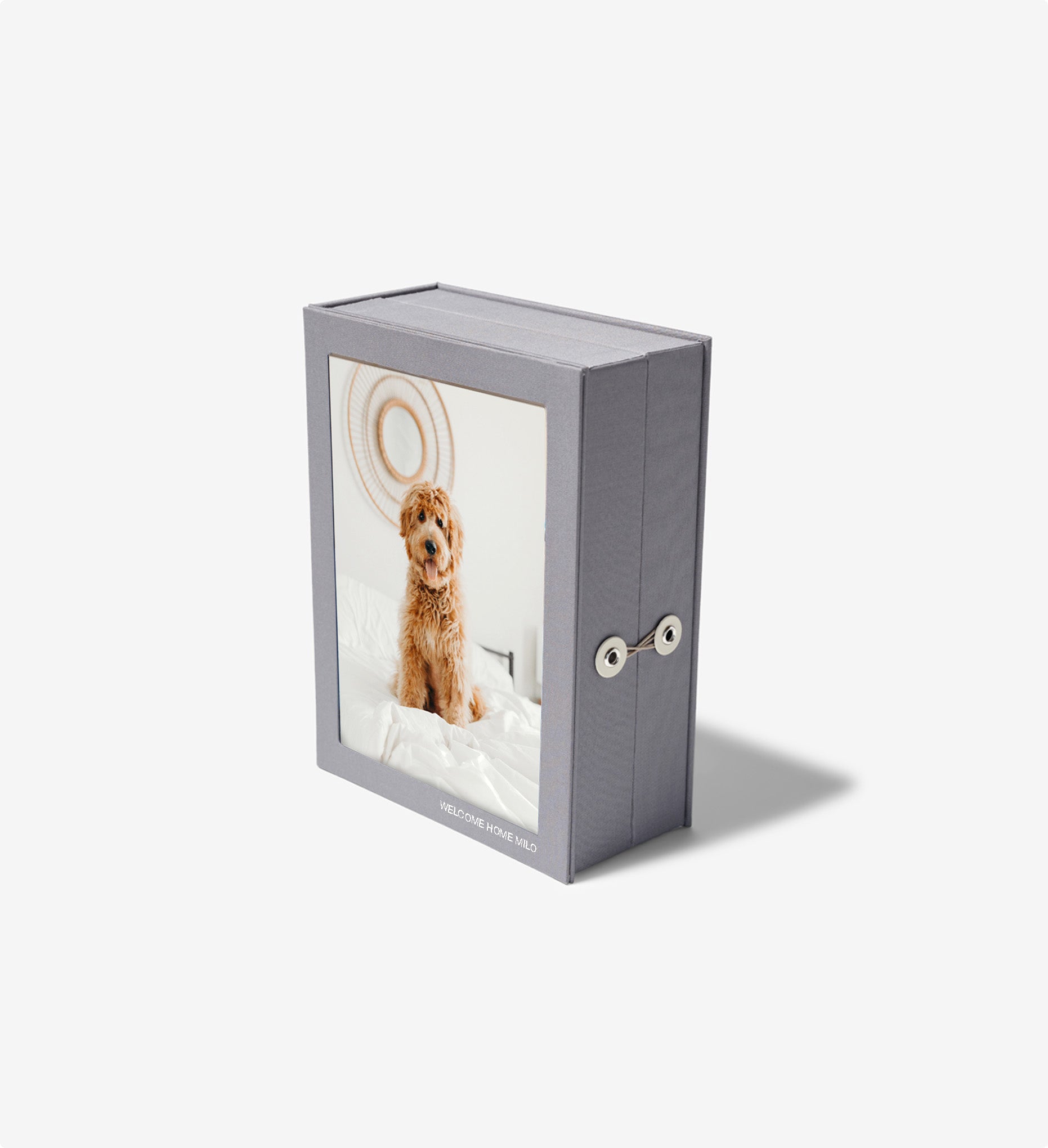
Savor's Pet Keepsake Box is built with this in mind: labeled files for medical and adoption records alongside separate compartments for physical items like a collar or tag, so the practical paperwork and the sentimental keepsakes do not end up in the same messy pile.
- Tags: keepsakes organization