How To: Build A Family Emergency Binder

A family emergency binder is not just for hurricanes and wildfires. It is just as often used for a sudden hospitalization, a trip where a grandparent is watching the kids, or the ordinary chaos of one parent being unreachable at the wrong moment. Here is how to actually build one, rather than just meaning to.
1. Decide what kind of emergency you are preparing for. A grab-and-go binder for evacuation looks a little different from one meant for "something happened to me and someone else needs to take over." Most families end up needing a version of both, so plan for overlap rather than picking just one.
2. List your core categories. At minimum: emergency contacts, medical information and allergies, insurance policies, financial account access, property and vehicle documents, pet care instructions, and a list of passwords or account access notes.
3. Gather documents, not just notes. A written note saying "insurance info in the file cabinet" is not the same as having the actual policy in the binder. Pull real copies wherever you can.
4. Add the human details, not just the paperwork. Neighbor contacts, a house key location, care instructions for kids or pets, and anything a stand-in caregiver would need to know but might not think to ask.
5. Protect it physically. Use sleeves or an actual document organizer rather than loose paper, and keep it somewhere both memorable and reachable, not buried in a closet you never open.
6. Tell someone else where it is. A binder no one else knows exists does not help anyone but you.
7. Update it once a year. Right after tax season or right after school pictures both work well as a trigger, since you are usually already handling paperwork around then anyway.
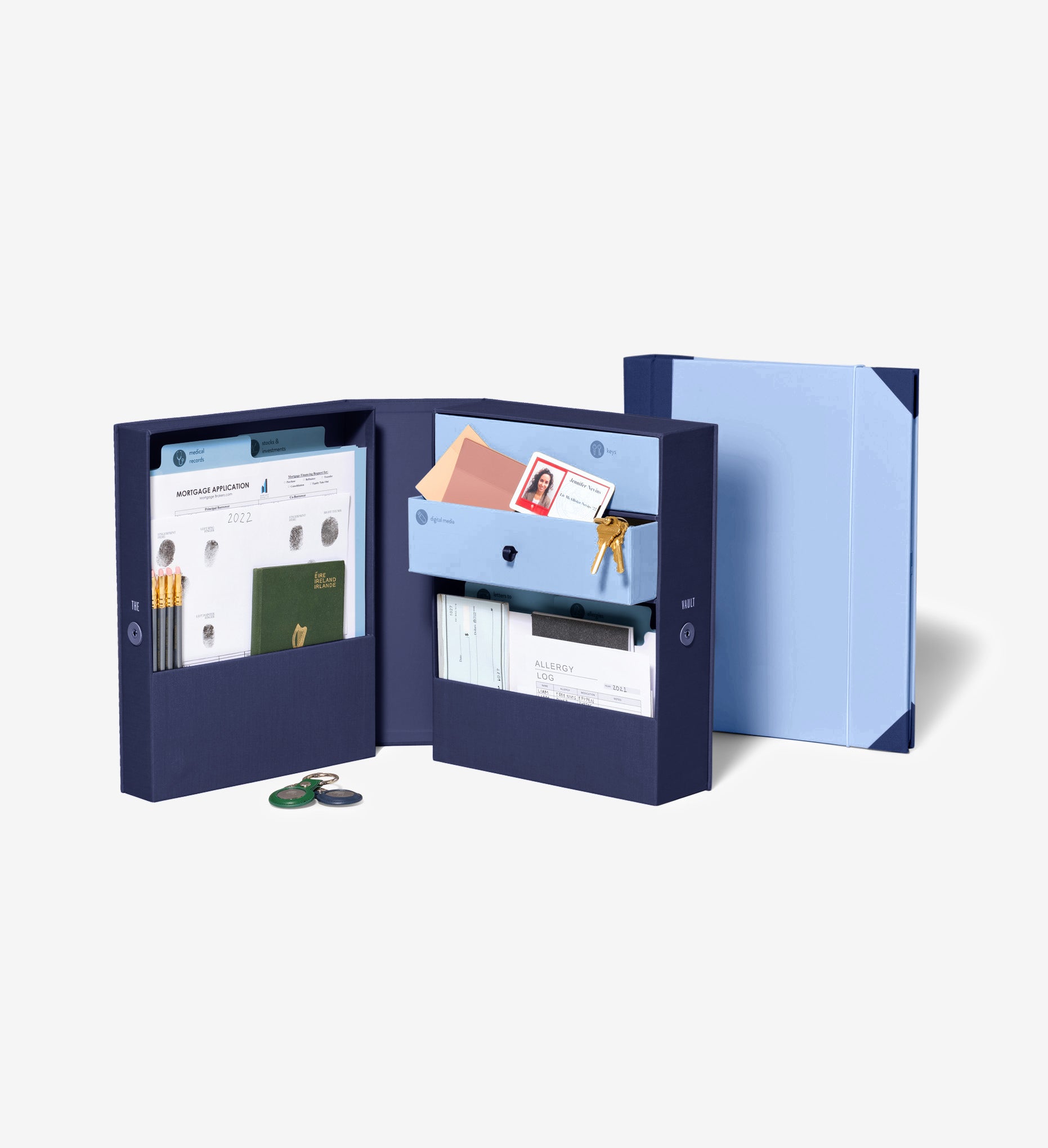
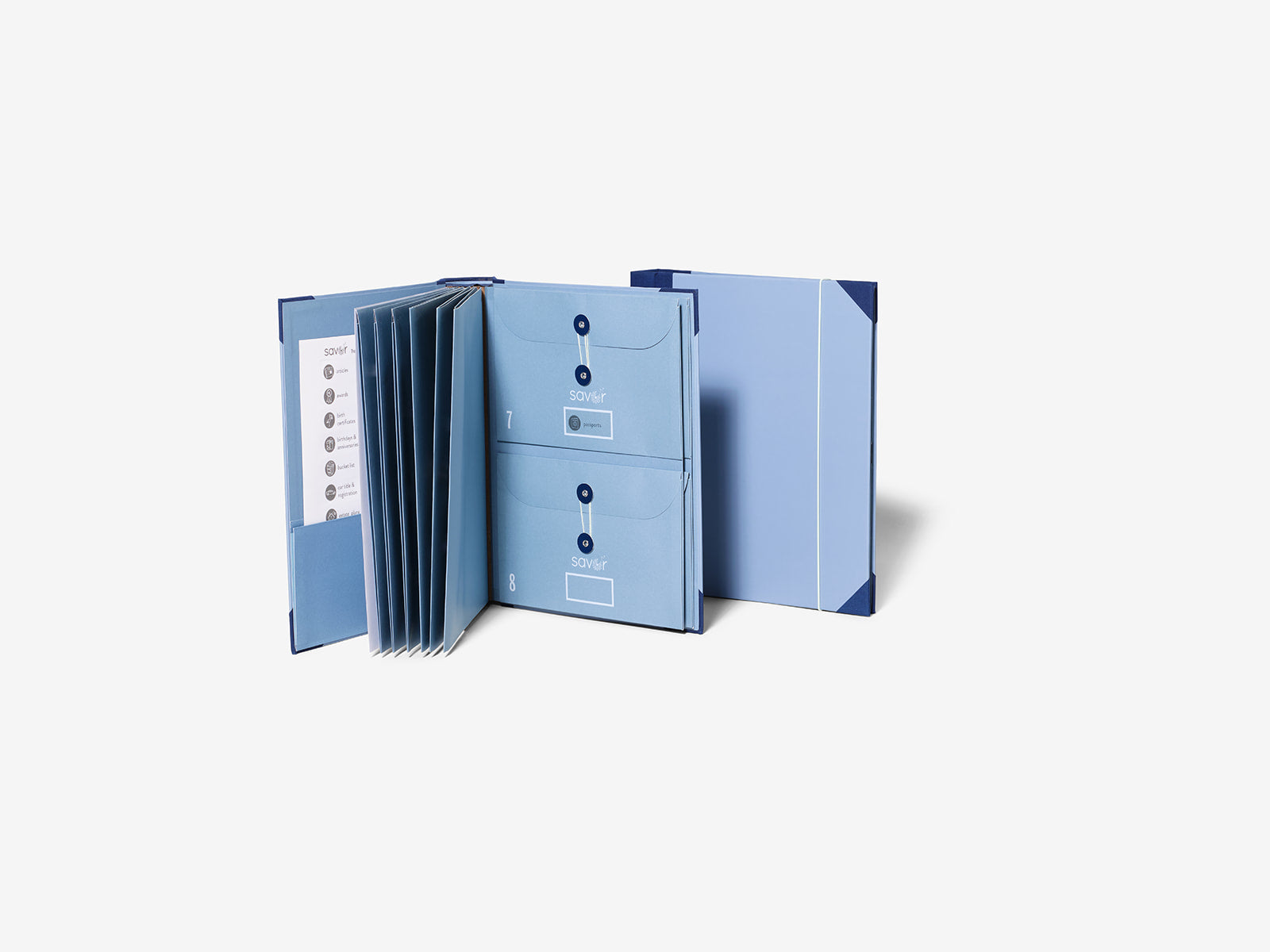
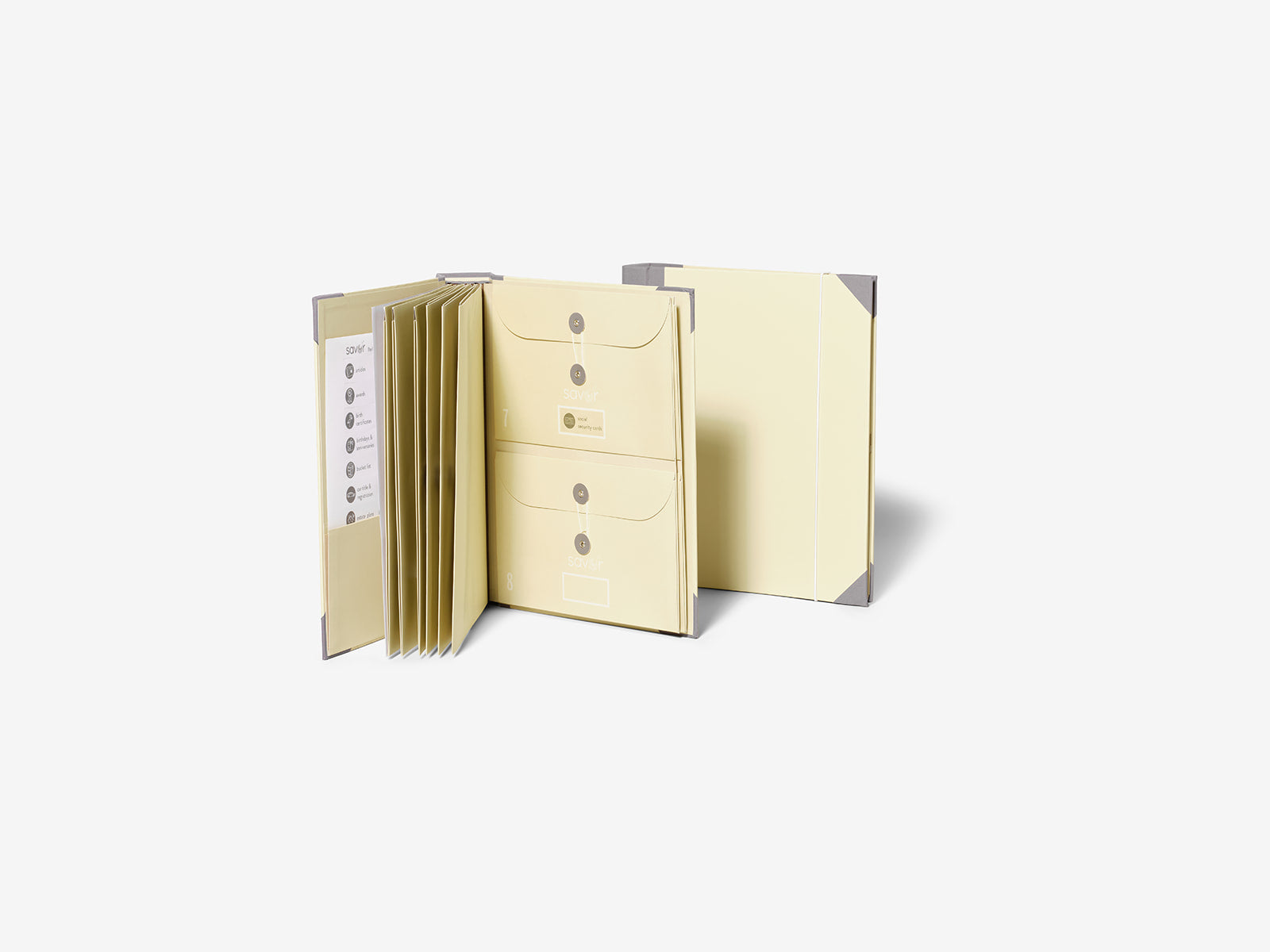
If any of these steps feel hard, tedious, or like too much work, that is what Savor's Family Emergency Binder is built to solve. It comes pre-labeled with 33 categories covering exactly this list, from allergies to power of attorney to pet info, so you are filling in a system instead of inventing one from a blank page.
- Tags: organization